Sudan at a critical era for the country, when it is liberated
from the British occupation, forms a new government, and
sees a military coup. The body of a young girl is found in the
Nile, in which countless bodies are swallowed.
Popular belief has it that every time the Nile brings a new
body, it also brings back an old one. In the meantime, Fatima
shows up with her story. She is still looking for her daughter,
Souad, believed to have drowned in the Nile some twentyeight years ago. The body of the unknown young girl will be
kept for three days in the hope that someone from the nearby
towns will recognise her before she is buried. Everyone in the
village of Hajer Narti knows their fate, for there is only one
fate in the village: drowning, and it spares no one, young or
old, slaves or free men, women or children.
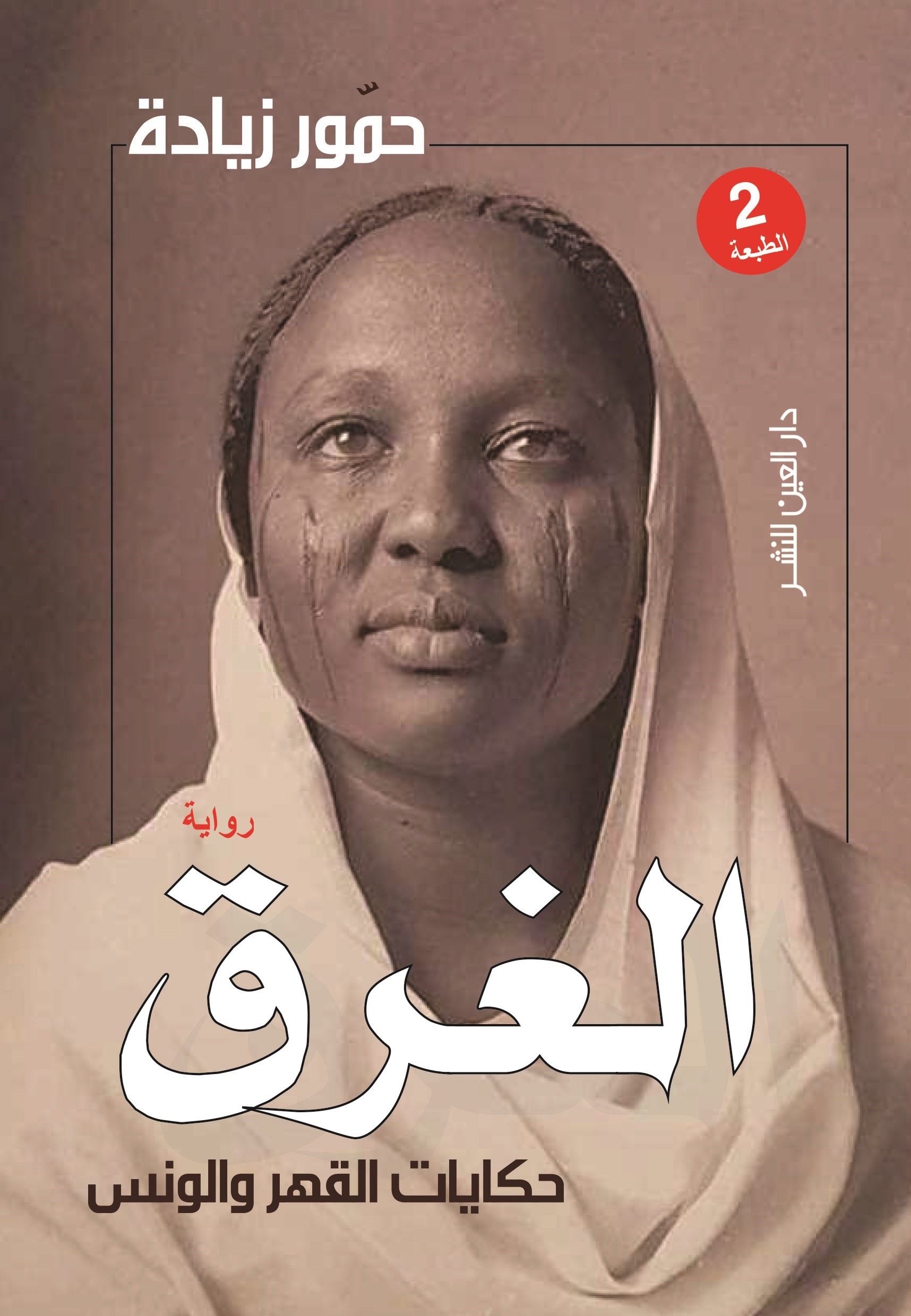
Hammour Ziada tells us the stories of Sudanese society on a
smaller scale, where slavery, though abolished in theory, still
exists between men and women. He especially tells stories
of oppression and kindness. Ziada also gives us glimpses of
the sectarian fanaticisms and family biases, all in a subtle and
simple language.