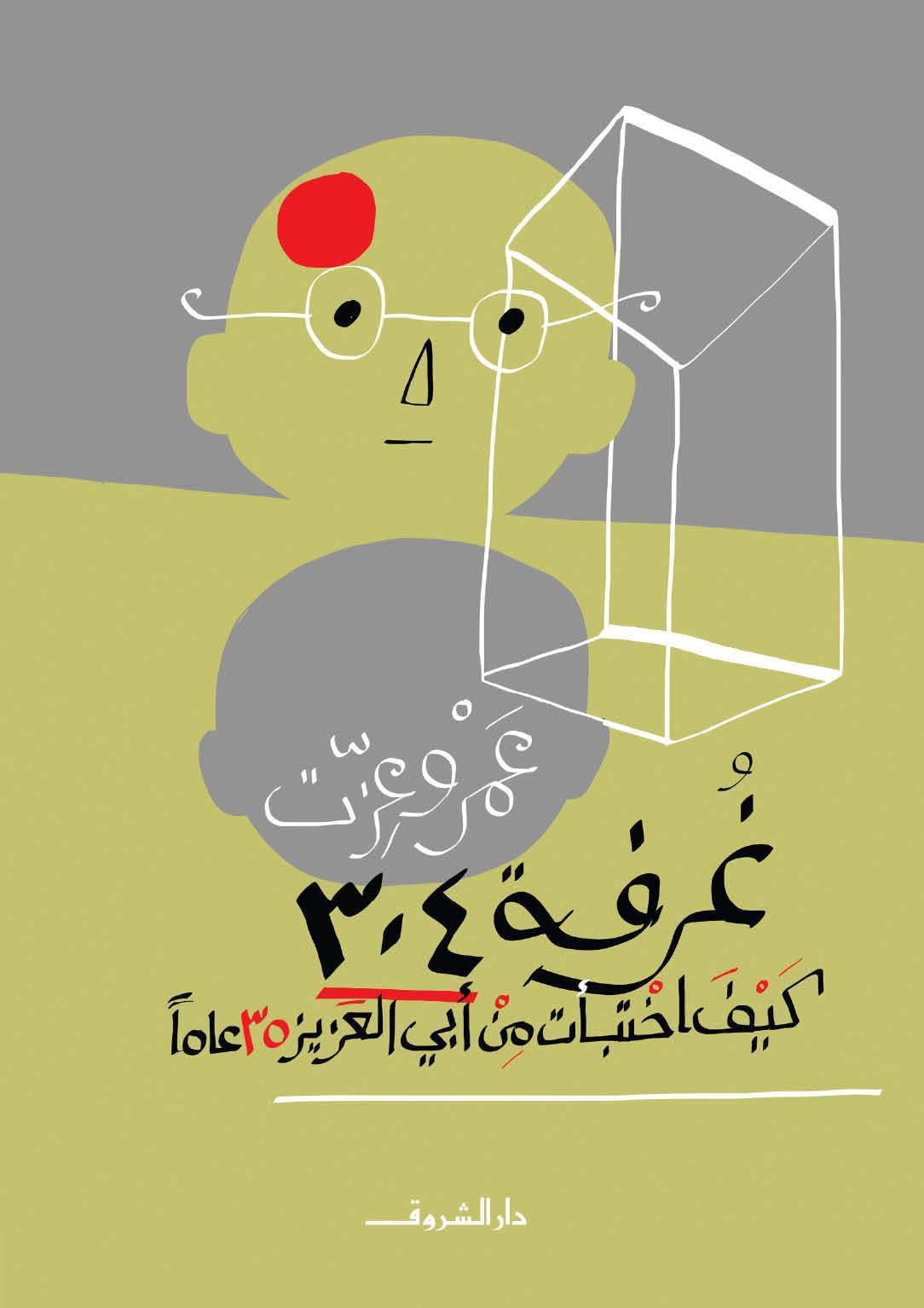
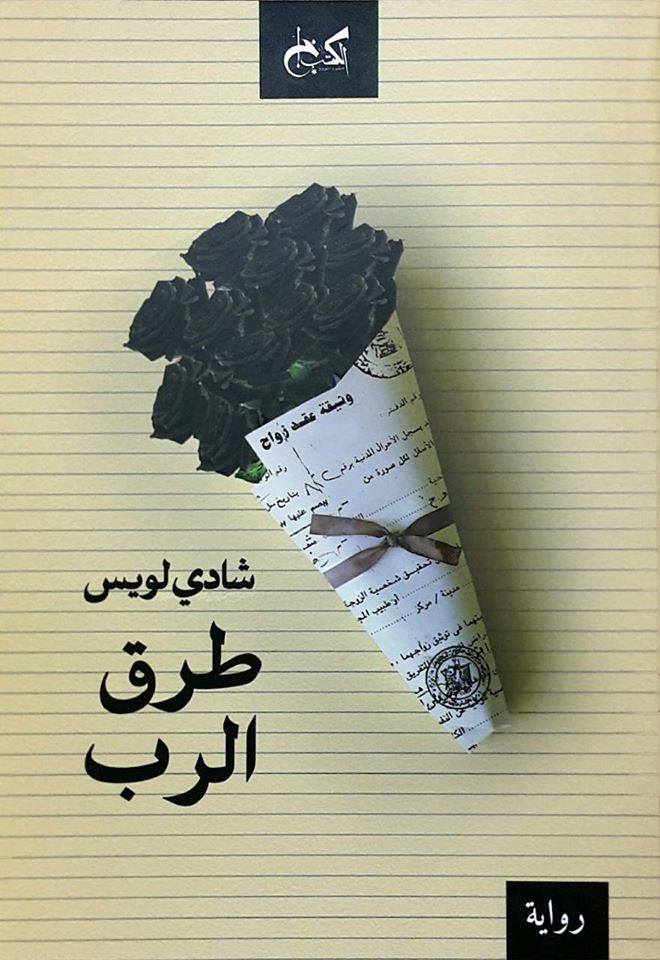
This memoir that tells the story of the author’s relationship
with his father, the patriarchal figure that many Egyptians live
with. It looks at how the father figure sees himself as a divine
being, and the resulting conflicts that arise between son and
father. In the memoir, fatherhood is seen as a debt that the
son has to pay throughout his life.
The tone of voice is not always critical in the book, however:
for example, the perfect version of Amr refuses to submit to
his rebellious character, because he enjoys how proud his
father is of him. The memoir also attempts to come to peace
with the notion of ‘hiding’ behind lies, where the son is lying,
and the father knows he is lying, giving us a general sense of
tension in the air.
“The book encompasses different layers of my relationship
with my father. I believe that the experience of fatherhood
itself changes fathers, even if they think their sons are the only
ones being shaped,” writes Ezzat.